Dennis Hales – Wood Turner
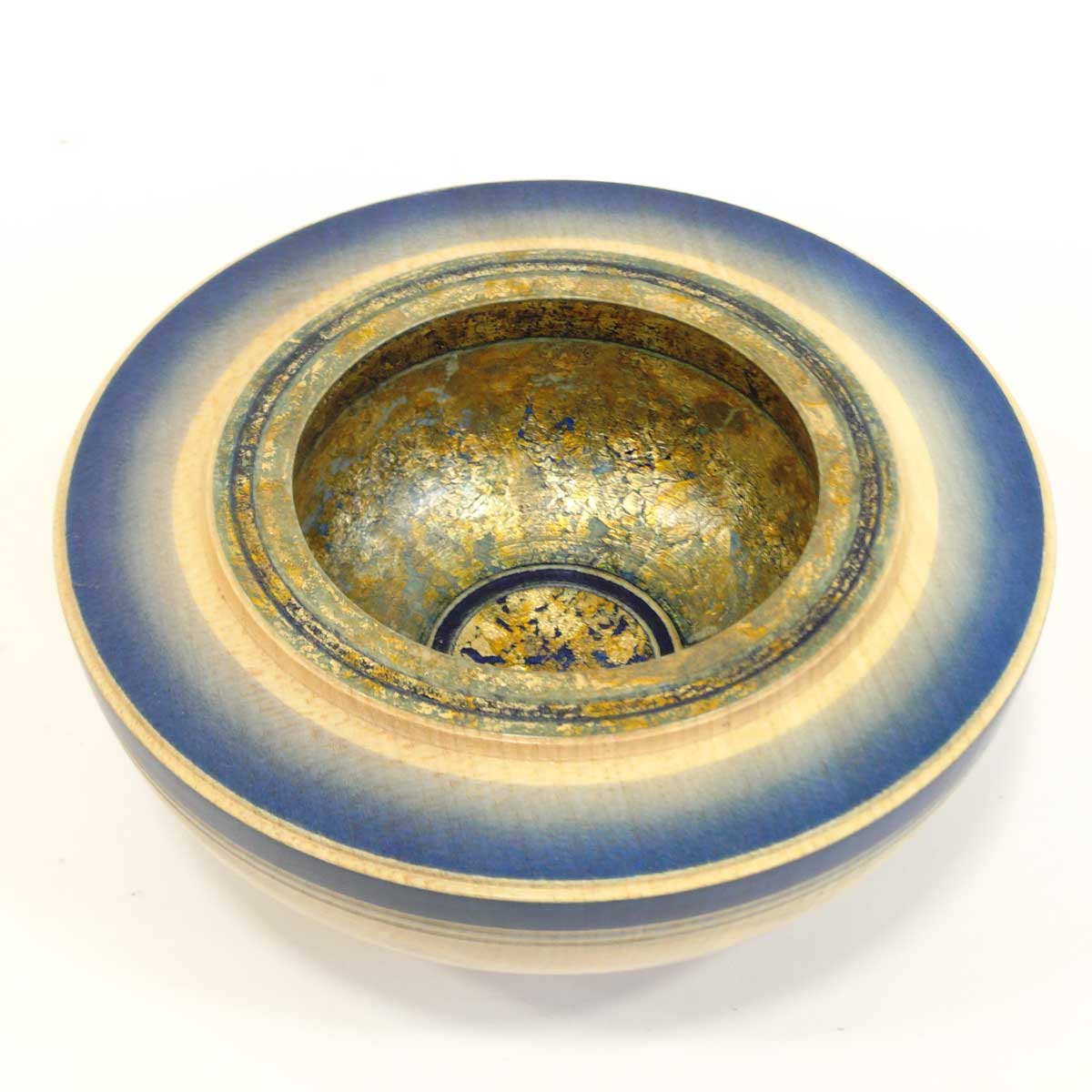
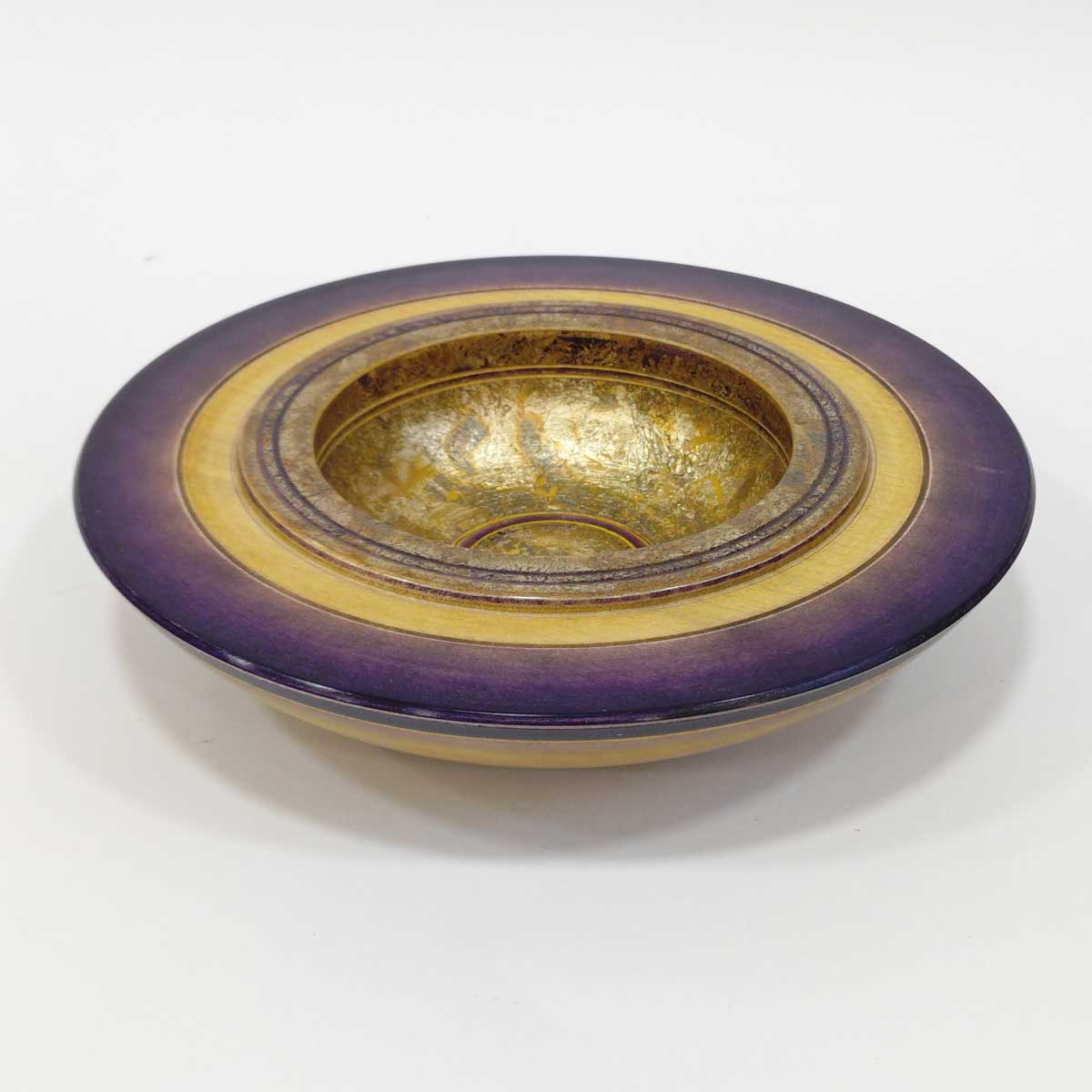
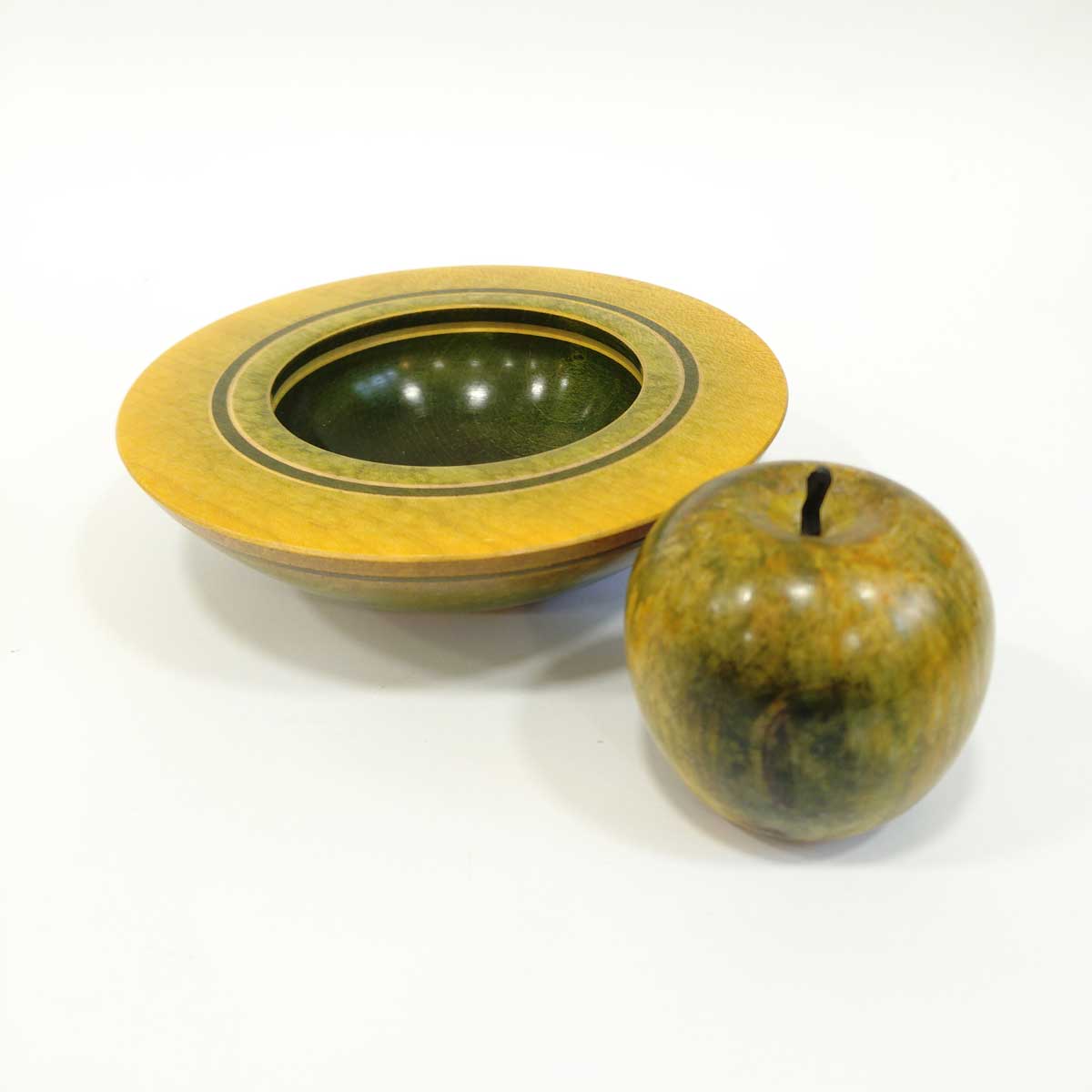
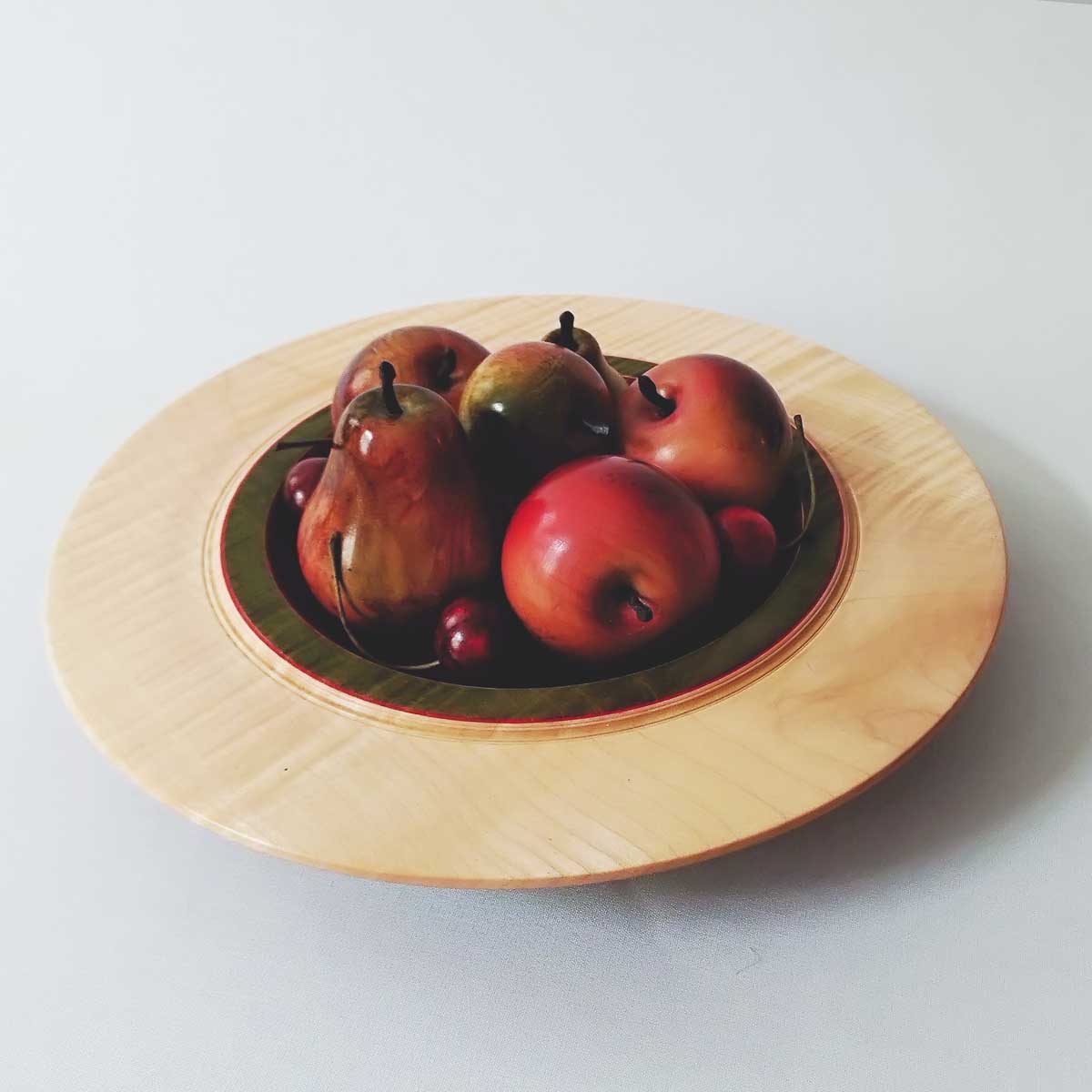
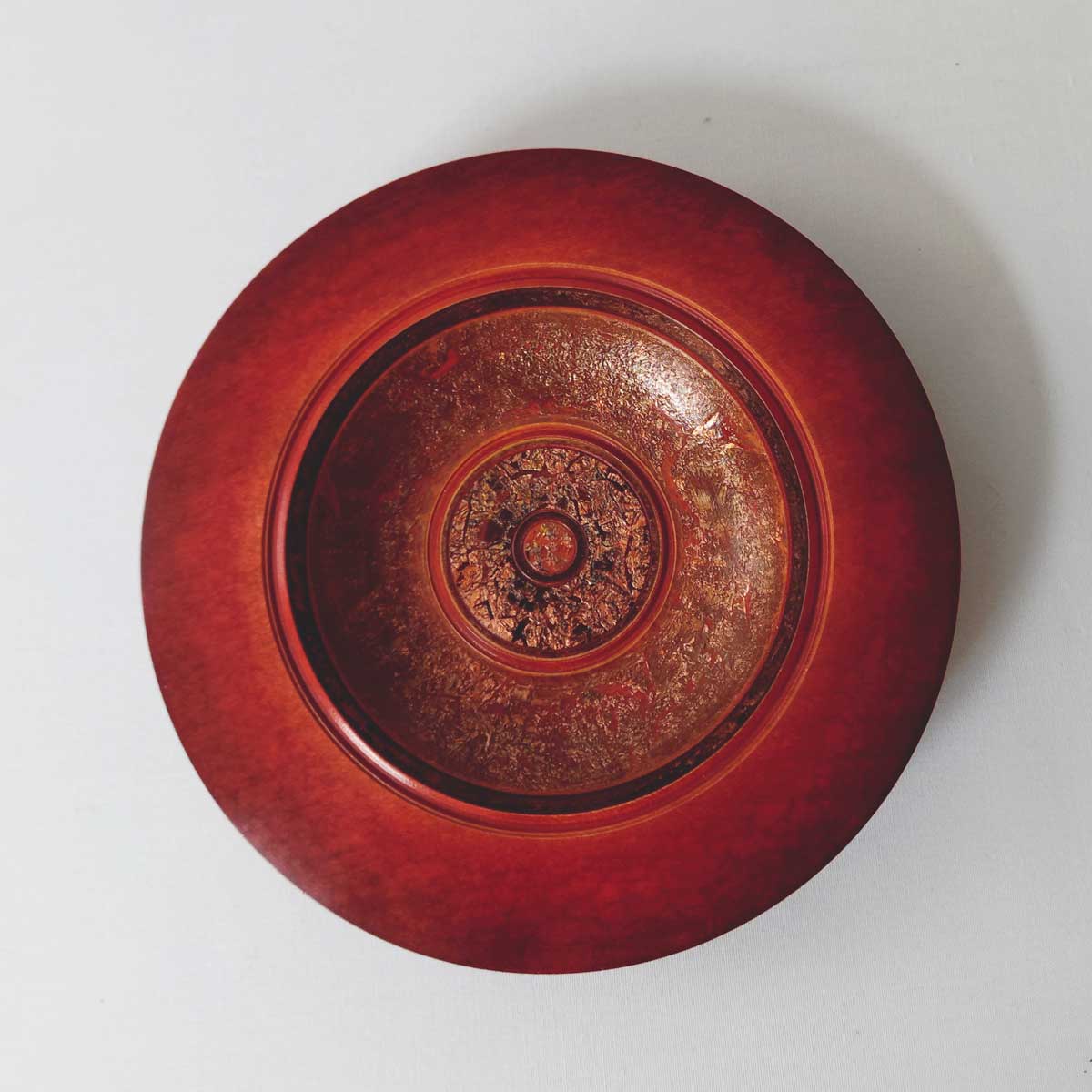
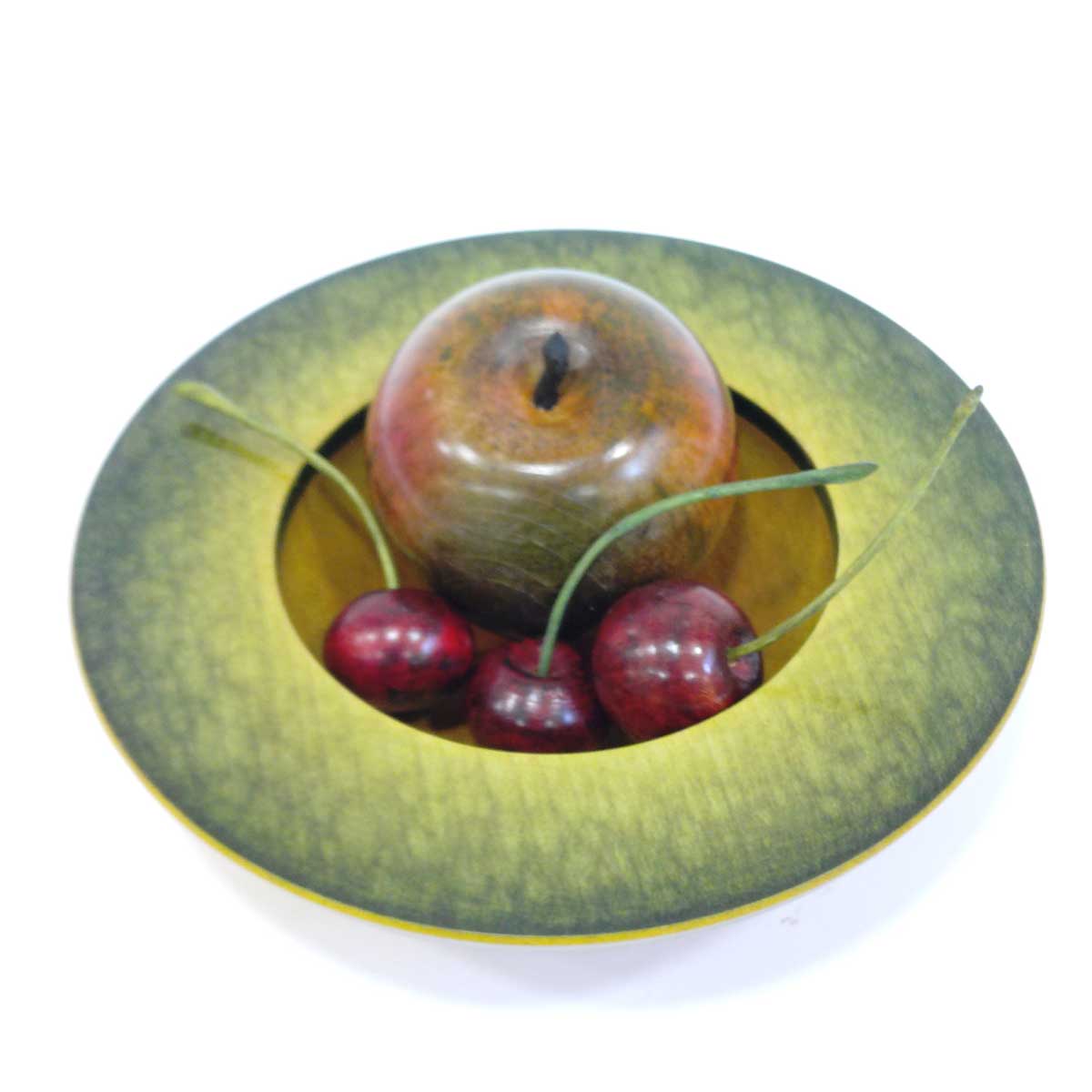
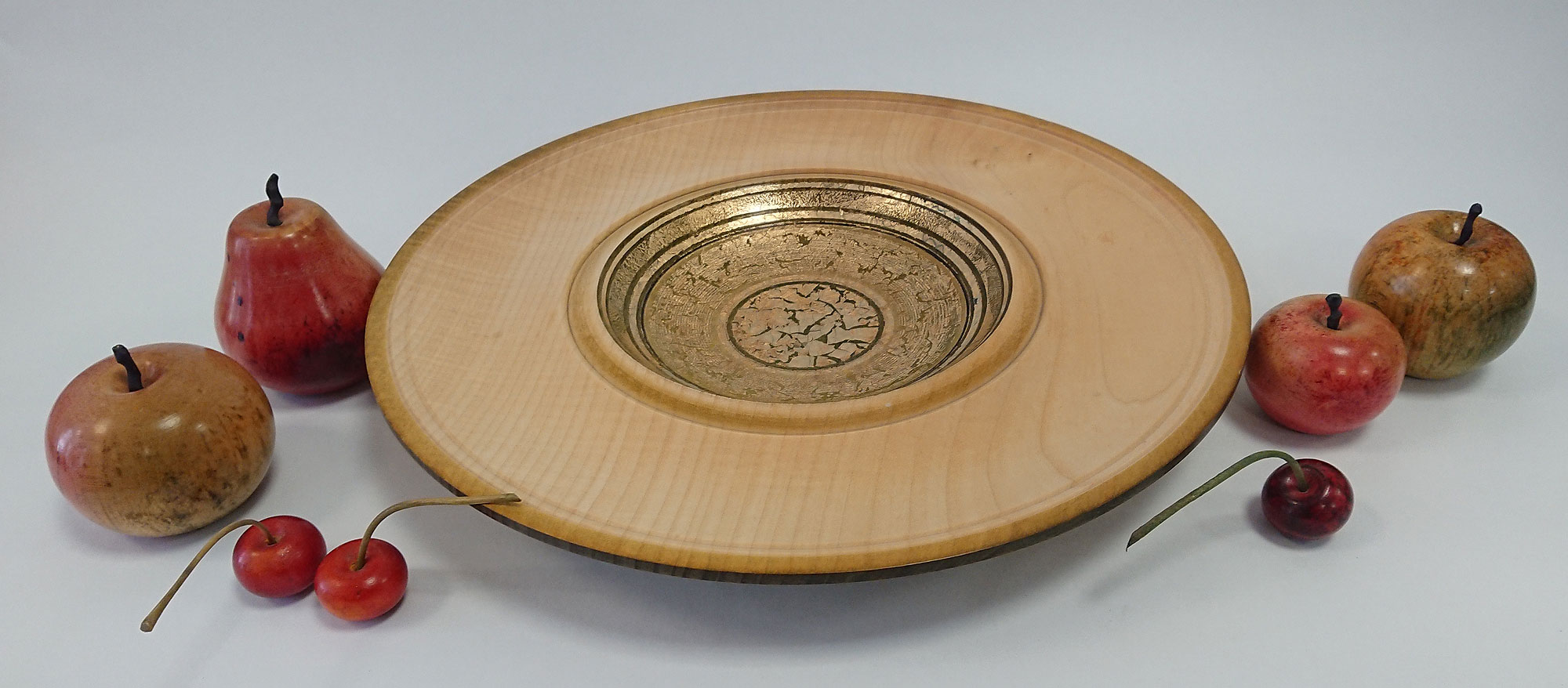
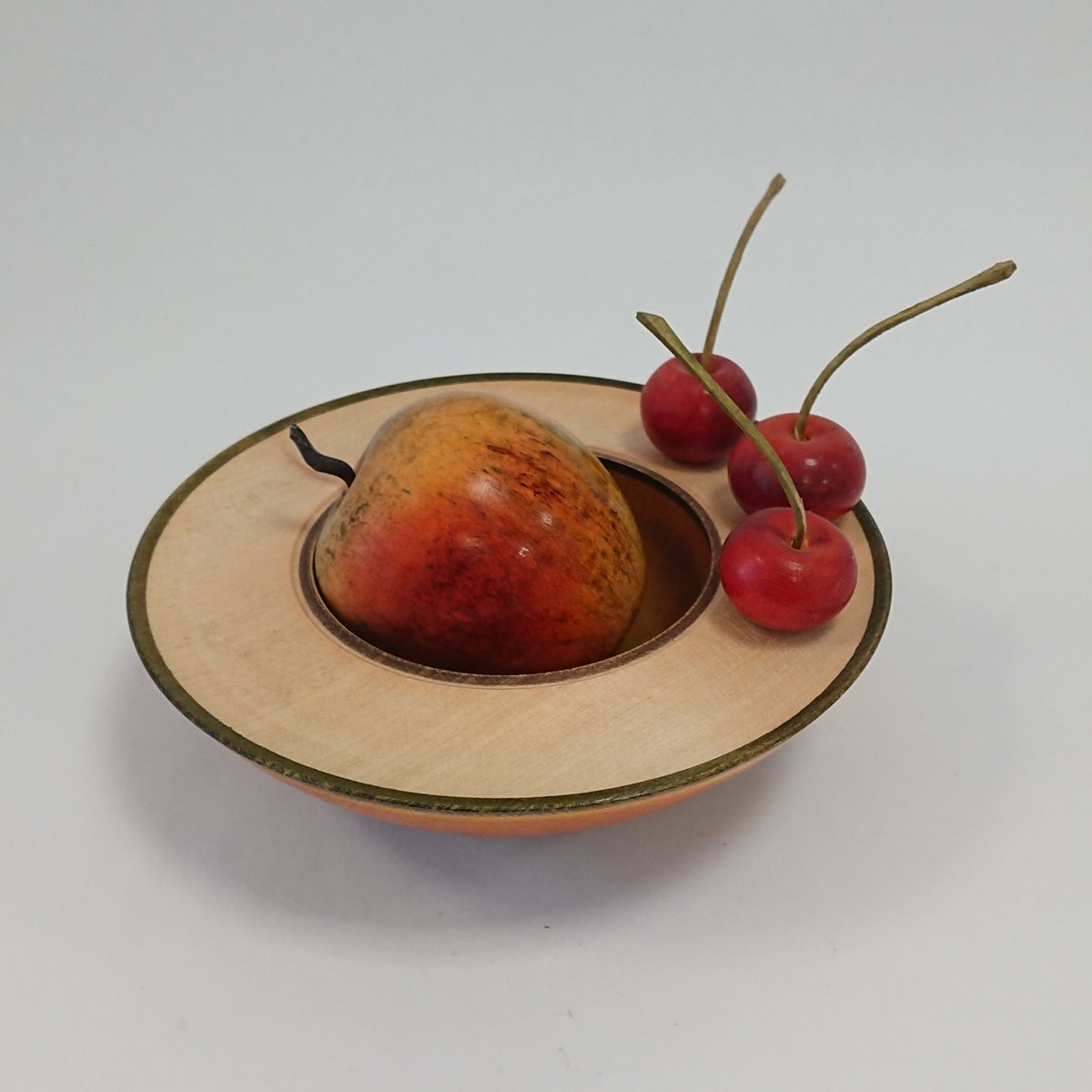
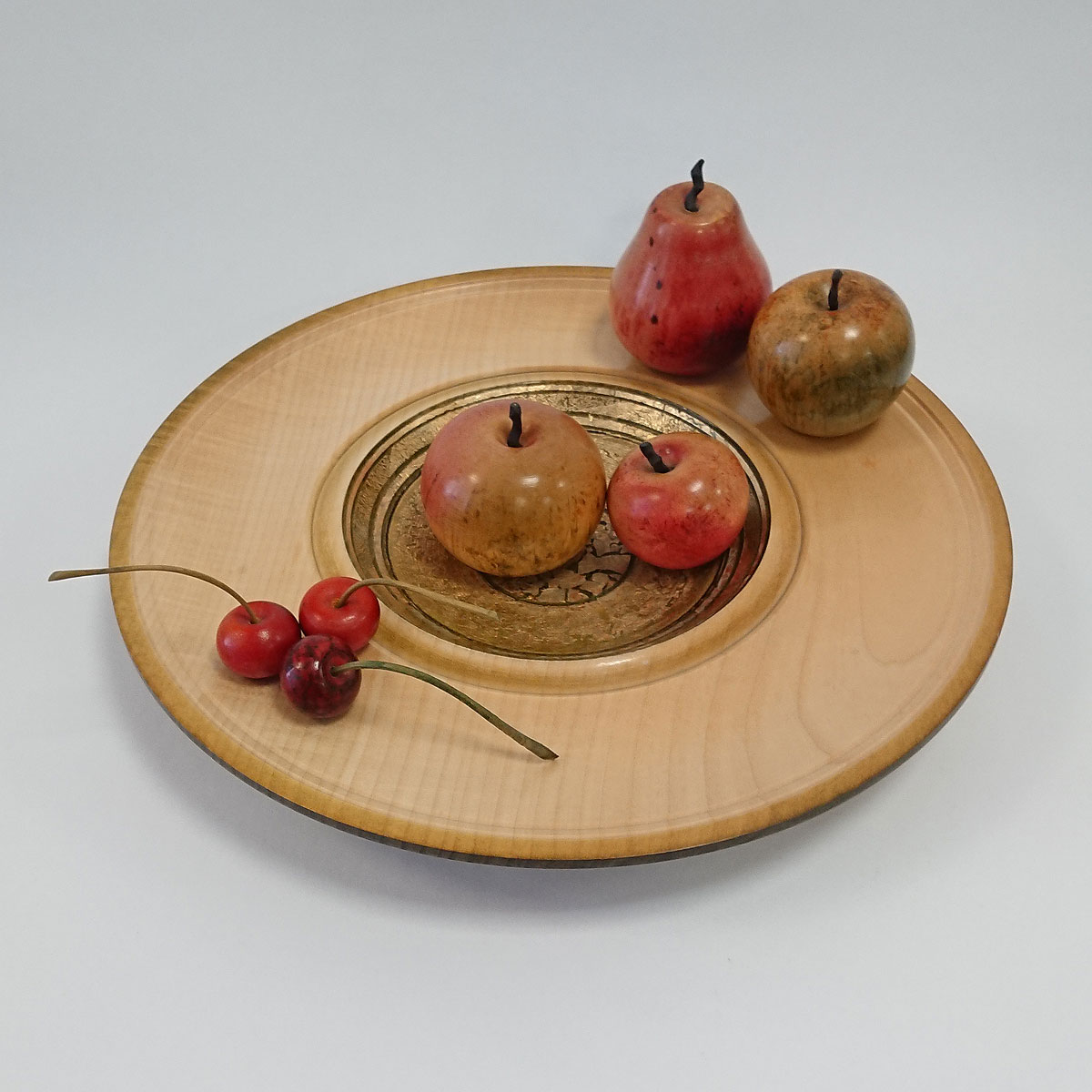
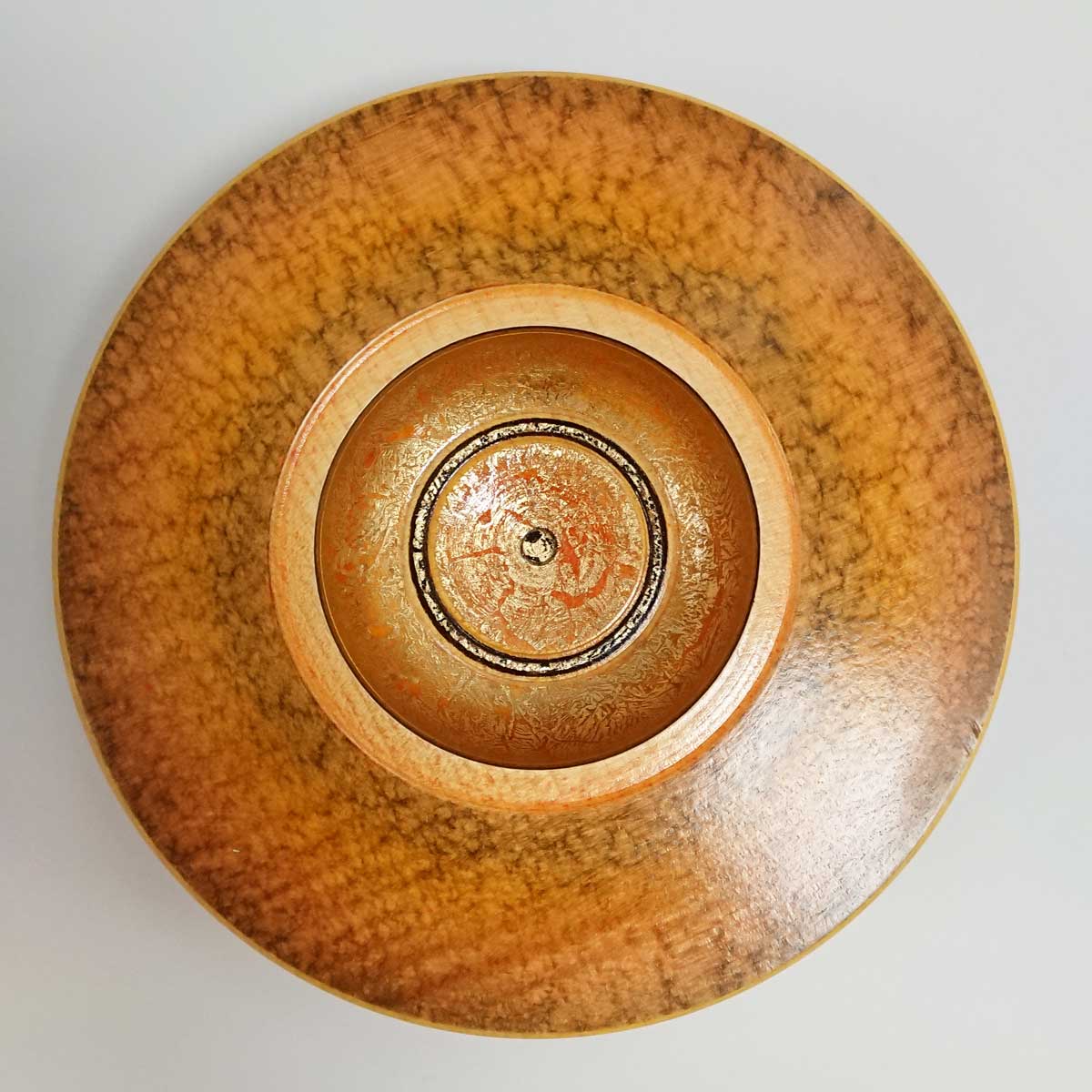
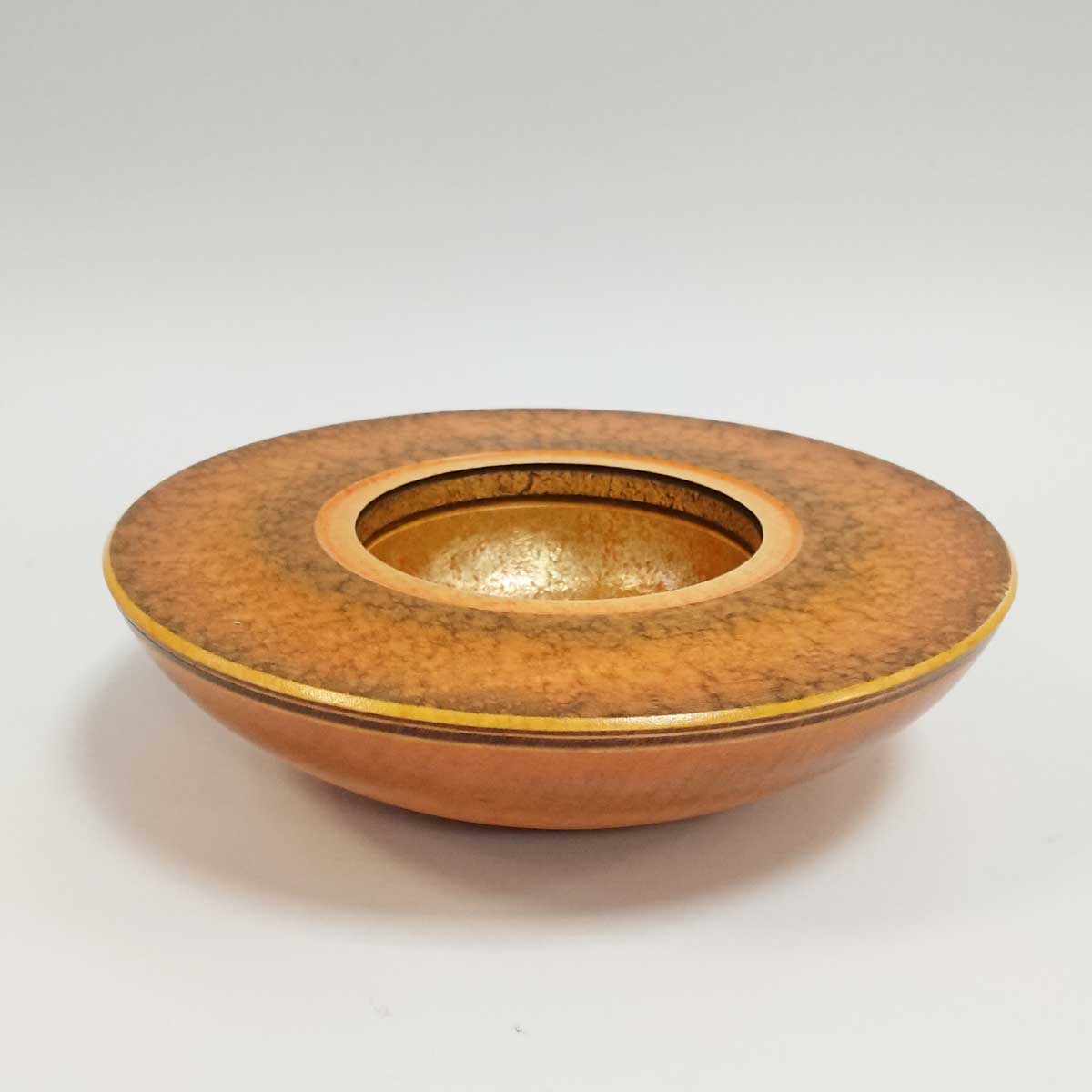
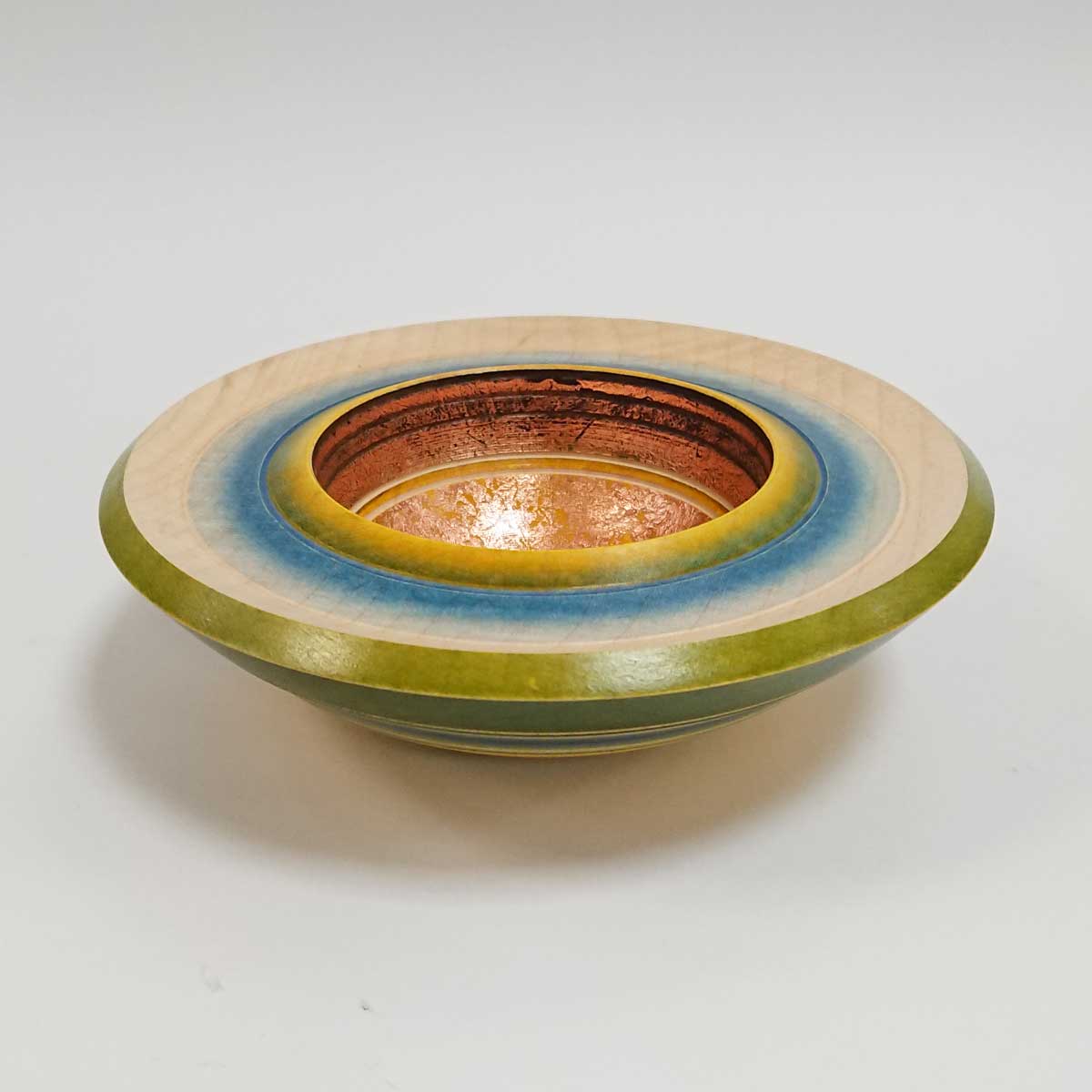
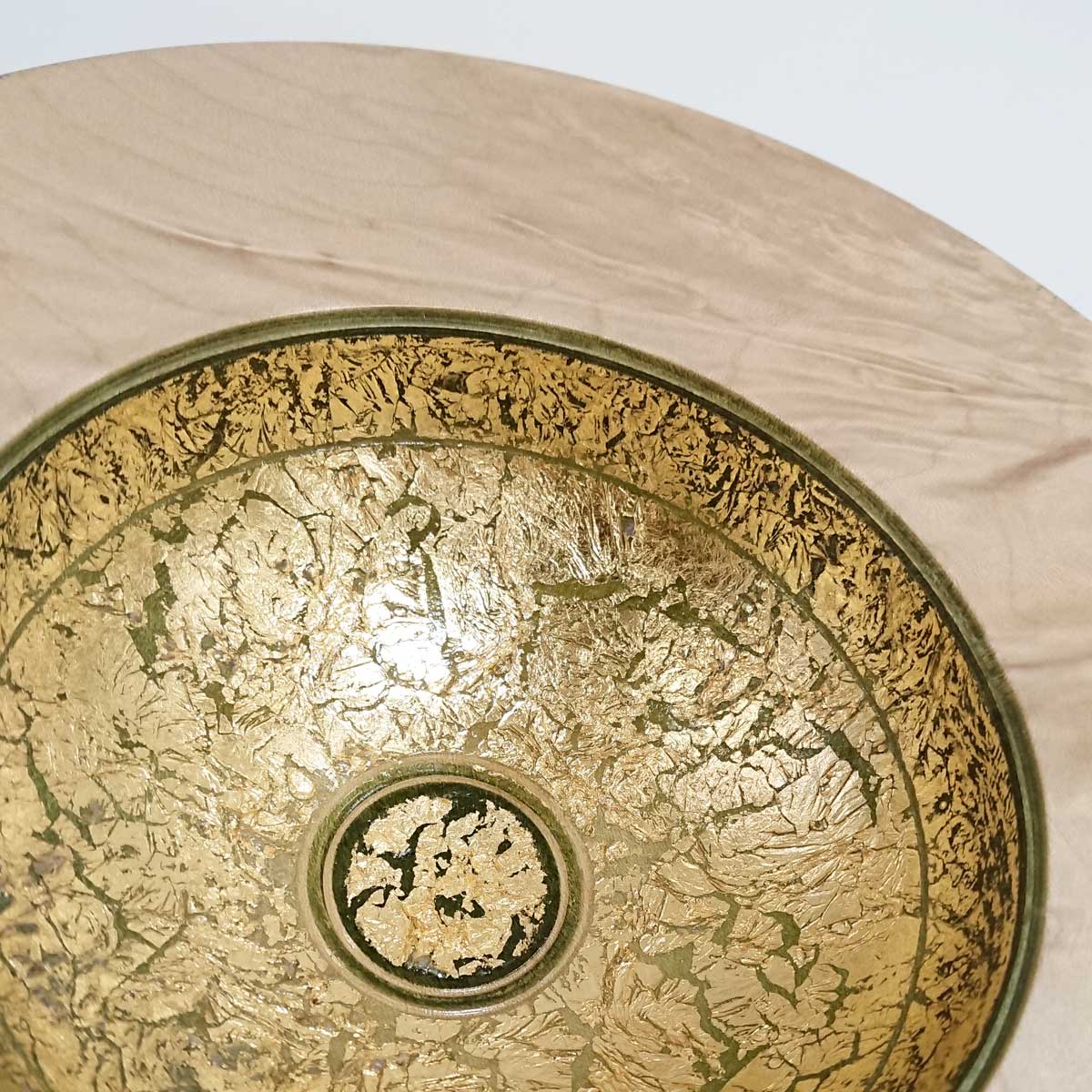
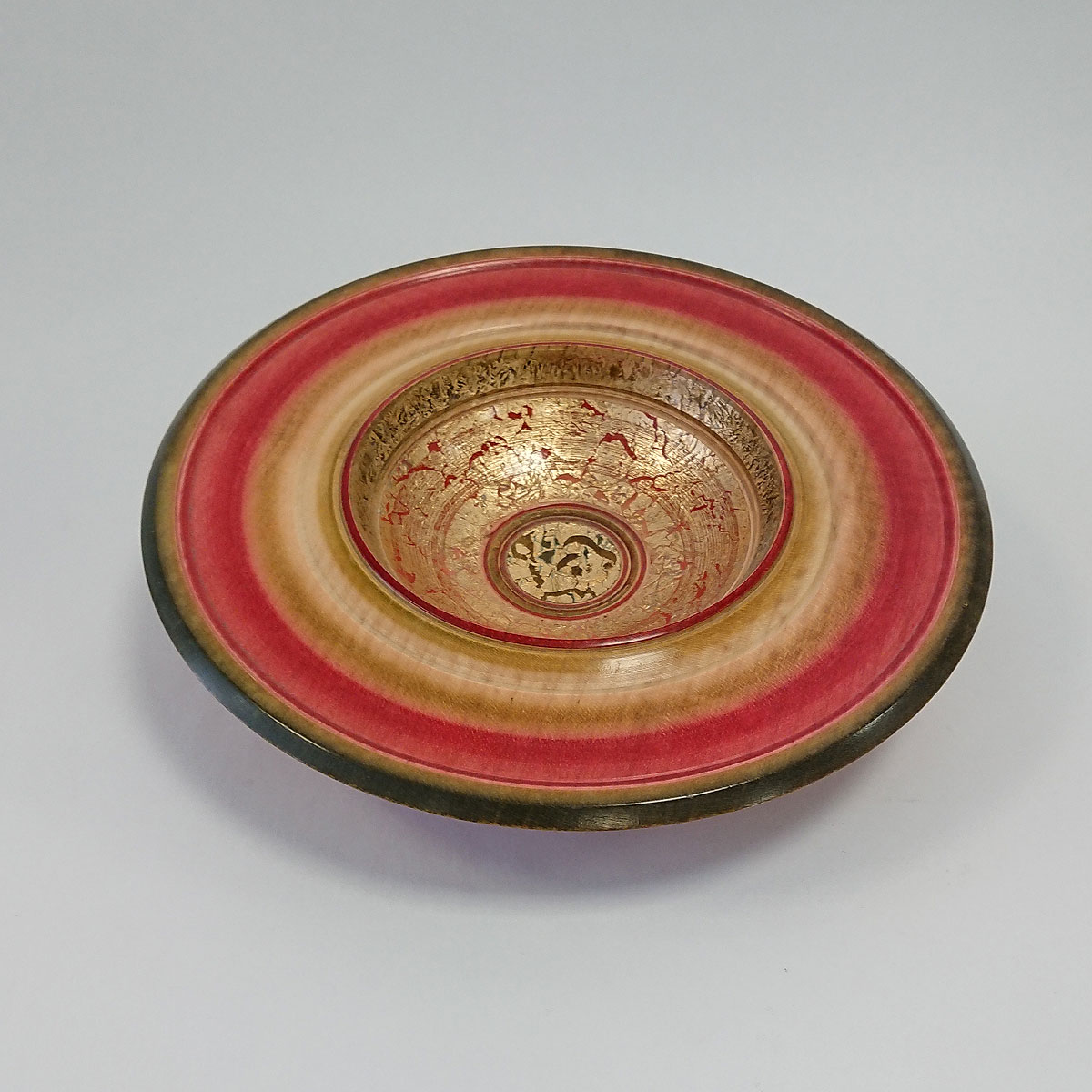
Dennis Hales works with locally grown sycamore, holly, ash and maple. The white woods offer a natural canvas on which to incorporate a wide range of finishing techniques. Turned, carved, textured surfaces, finished with water soluble dyes and metal leaf are used to enhance the natural features of the wood. This achievs a sympathetic balance of form and finish. Dennis Hales work includes fruit displays, Sycamore bowls embellished with silver leaf and wall plates of ash and copper.
Dennis Hales is a Registered professional turner with the Worshipful Company of Turners of the City of London. Member of The Norfolk Contemporary Craft Society and the Suffolk Craft Society. His work is sold through Galleries, Exhibitions and craft events.







Basic Techniques
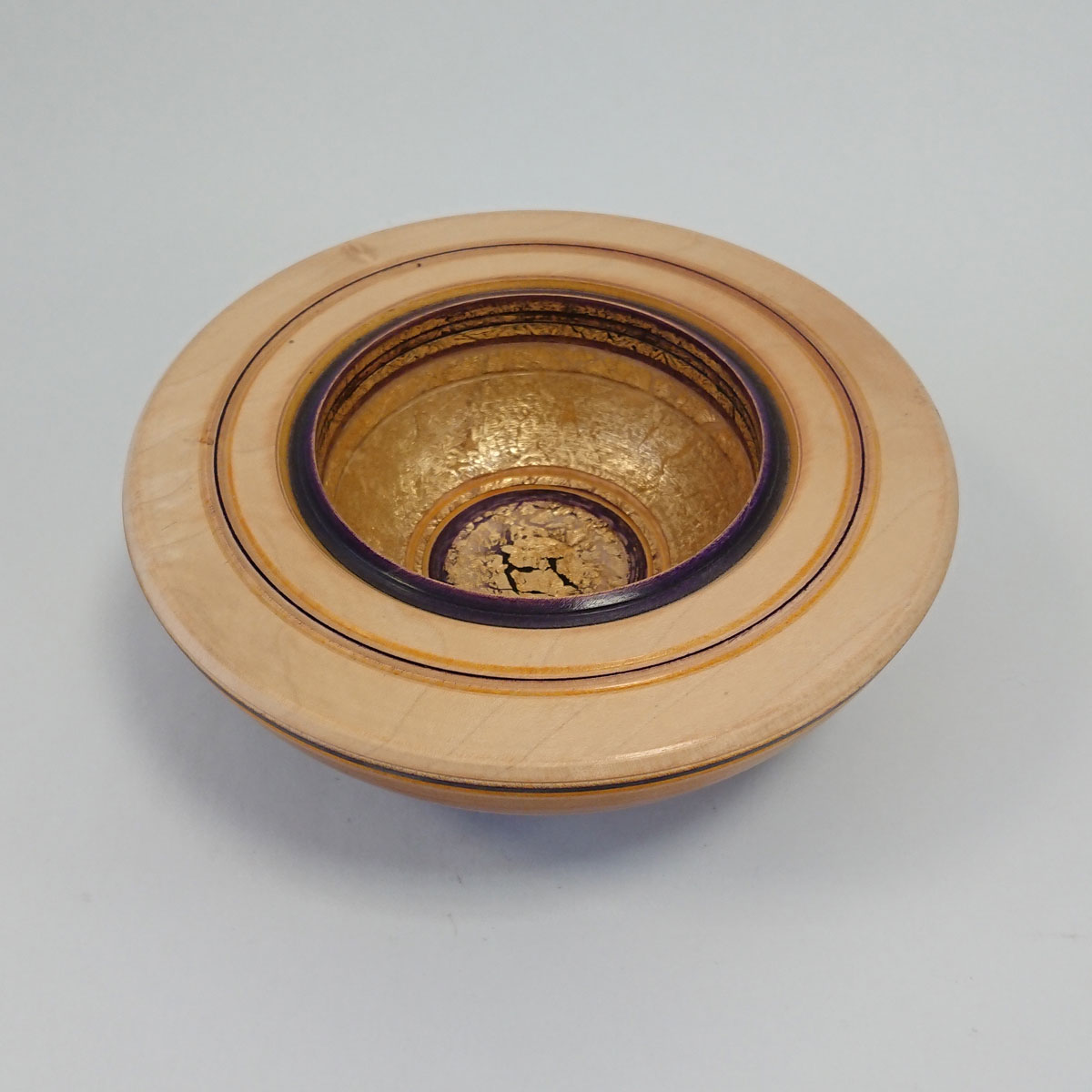
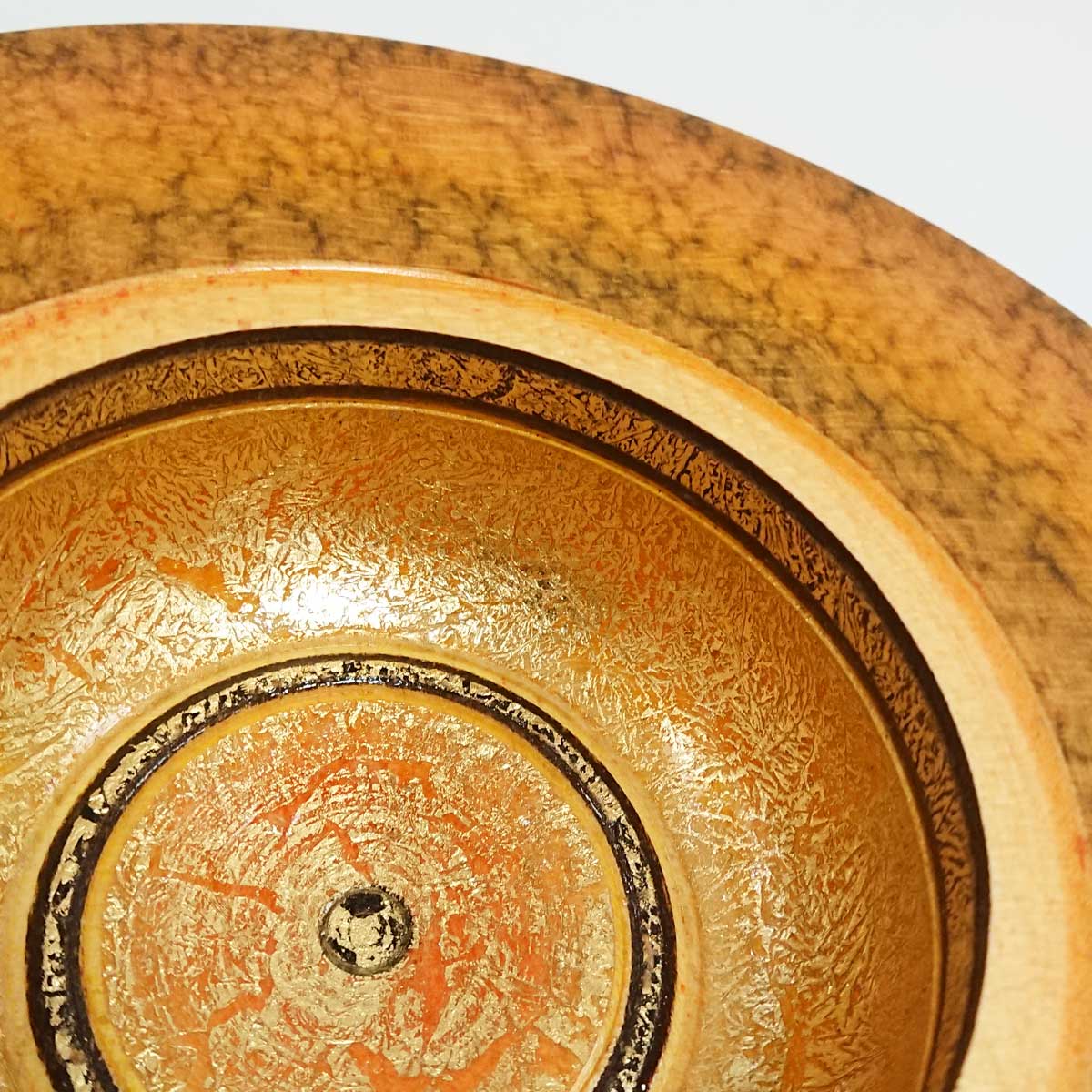
Traditional turning skills are used with local grown hardwoods sycamore, holly, ash and maple. The application of colour involves the use of water-soluble dyes. Dennis Hales uses modern aniline dyes and traditional dyes such Vandyke crystals are used to give a blend of colours and shades. The dyes are applied to the work after it has been turned. Dennis uses a variety of techniques including hand painting, airbrushing and marbling. which involves over washing with two or more colours. The partially completed work is then replaced into the timber dryer to recondition the wood. This stabilises the low (9% to 12%) moisture content before further applications of colour prior to gilding and lacquering.
Gilding
After the pieces are decorated and lacquered, the work is gilded. This is done using metal leaf transfers 24 carat gold, copper, double weight silver leaf, variegated leaf and imitation gold. . The piece is replaced in the dryer to harden before being returned to the lathe. At this stage the leaf surface is cut back to the coloured background. The piece then receives a further two coats of lacquer which encapsulate the leaf to minimise any risk of tarnishing.
“Wet Turning”
The wood is turned part seasoned and decorated on the lathe, and then allowed to dry. As the wood dries it shrinks across the grain which tends to accentuate elliptical forms. This is particulary noticeable on Natural edge bowls and introduces movement in to larger platters, (not dissimilar to high fired ceramics). Providing the thin profile is constant there is no risk of cracking. After drying including conditioning in the timber dryer( dehumidifier drying by transpiration) work is hand finished. This is done on the bench due to the excessive movement particularly holly.